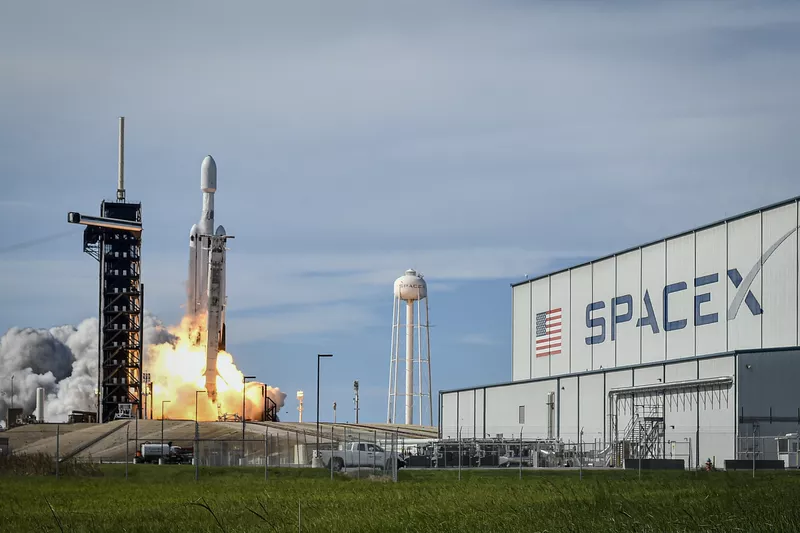
SpaceX: Soaring to New Heights with a $350 Billion Valuation
Founded in 2002 by the visionary Elon Musk, SpaceX has revolutionized the aerospace industry by pioneering reusable rocket technology and significantly slashing launch expenses. From being the trailblazer of the first commercial spacecraft to successfully dock at the International Space Station to crafting the Starship—currently the largest rocket system worldwide—SpaceX has consistently embarked on groundbreaking advancements in space exploration.
The Thrill of SpaceX's Tender Offer
In December 2024, whispers of a tender offer surfaced, indicating SpaceX is negotiating to sell insider shares that could skyrocket its valuation to an astounding $350 billion. This represents a remarkable 67% increase from its previous valuation of $210 billion just six months earlier. If this deal comes to fruition, it could gear SpaceX towards a potential initial public offering, a step Musk has historically been wary of.
Multiple Revenue Streams Fueling SpaceX
SpaceX's financial triumph is attributed to three primary revenue sources: commercial satellite launches, NASA cargo missions, and the flourishing Starlink internet service. Although a sizable portion—about one-third—of SpaceX's earnings stems from government contracts, the company operates with the agility and innovation of a tech enterprise, continuously testing and refining processes to drive down costs.
Thanks to the use of reusable technologies like the Falcon 9 and Dragon spacecraft, launch costs have plummeted from hundreds of millions to approximately $60 million to $70 million per mission. Moreover, Starlink has experienced explosive growth, expanding its subscriber base from around 1 million at the close of 2022 to over 4 million by 2024.
Elon Musk's Wealth Grows Alongside SpaceX
As the owner of an estimated 42% share in SpaceX, Elon Musk has witnessed significant increases in his personal wealth due to the soaring valuation of the company. The latest valuation is adding an impressive $40 billion to his net worth, helping to offset losses from other business ventures and bolstering his standing as the richest person on the planet, boasting a staggering $344 billion as of December 2024.
Why SpaceX Chooses to Stay Private
In spite of its astronomical valuation, SpaceX has opted to remain a private entity, a strategic move that grants Musk complete control over the company. Without the burden of shareholder expectations, SpaceX can prioritize long-term ambitions and boldly venture into experimental projects that might make traditional investors uneasy. This independence allows the company to pursue lofty goals, such as colonizing Mars, without the constant need to defend expenditures or report quarterly earnings.
Maintaining its private status also serves SpaceX well in managing crucial government contracts with NASA and the U.S. Department of Defense, as it mitigates compliance burdens and eliminates concerns about foreign share ownership.
Conclusion: SpaceX's $350 Billion Vision
SpaceX's projected valuation of $350 billion speaks volumes beyond extensive rocket launches and satellite internet services. It highlights a seismic shift in the realm of space technology, once solely governed by public agencies, now emerging as a thriving commercial sector. As SpaceX forges ahead with ambitious Mars missions and expands Starlink’s presence, it is redefining the bounds of what private enterprises can accomplish in the final frontier.