Unlocking Your Future: The Art of Opening an IRA
No matter where you stand in your career—whether you're a fresh graduate or you've been in the workforce for years—grasping the nuances of establishing a robust IRA account is vital for securing your financial future. An Individual Retirement Account (IRA) is open to anyone with earned income who meets specific eligibility criteria. The magic of an IRA lies in its ability to allow your money to grow without the burden of taxes.
This guide will walk you through each phase of setting up a Roth or traditional IRA. You’ll uncover requirements, costs, timelines, and even the decision-making process behind which type of IRA best suits your needs.
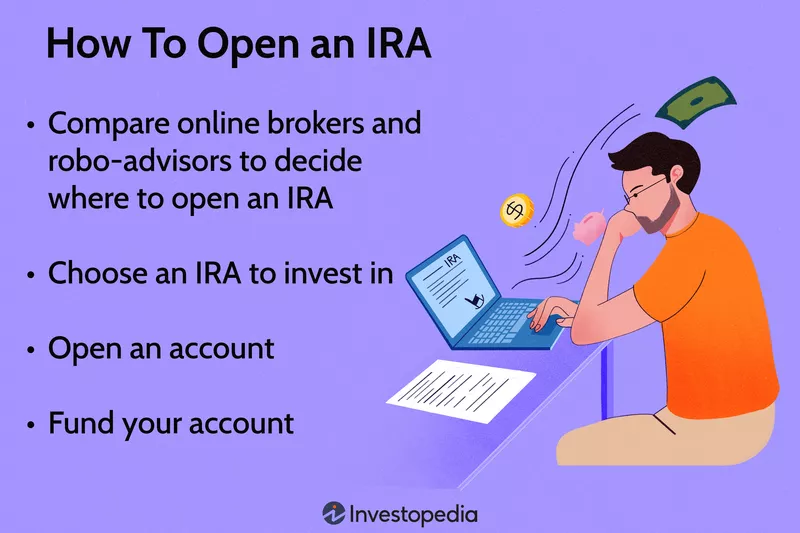
Your Initial Choice: Self-Directed IRA or Robo-Advisor?
The first step in your IRA journey is to decide if you want to take the reins yourself with a self-directed IRA or opt for the automated assistance of a robo-advisor. This decision will steer your experience and help you find the right financial platform.
If you relish choosing your investments, you might lean towards an online broker such as Fidelity or Charles Schwab. Here, you have the flexibility to select from a diverse range of stocks, bonds, and mutual funds, with customer support available for questions. However, if you prefer a more hands-off approach, a robo-advisor could be your best bet, managing your investments based on your unique financial goals and risk appetite.
Finding Your Ideal IRA Provider
Once you've made your initial choice, the next step is selecting a financial institution. Consider what additional services they offer—choosing a provider that encompasses both self-directed and robo-advisory services might appeal to you. Be sure to analyze factors like annual management fees, investment minimums, and customer service reviews to make an informed selection.
Types of IRAs: Choose Your Path
After narrowing down the financial firms, it’s time to choose the type of IRA that aligns with your tax and savings strategies. Both Roth and traditional IRAs come with certain regulations regarding eligibility and income limits, so it’s important to understand these nuances before proceeding.
The Account Opening Process: Your Next Steps
Opening your IRA requires verifying your identity by providing necessary documentation. Each institution may have a slightly different online procedure, but generally, you’ll begin by navigating to the "open an account" section and completing a series of finance-related questions. Gather your documentation beforehand to smooth the process.
Fund Your Future: How to Inject Capital into Your IRA
Once your account is ready, you can fund it by linking to an existing bank account. If you're transitioning from a former employer’s retirement plan, a trustee-to-trustee rollover ensures you face no tax penalties. If you choose the withdrawal route, remember you have a 60-day window to reinvest the funds into your new IRA to avoid any tax implications.
Establishing regular transfers from your bank account can further enhance your IRA. Automating contributions can foster financial discipline and ensure you stay on track.
Contribution Limits: What You Need to Know
When it comes to contributions, eligibility is key. As of 2024, limitations apply, and they can vary based on your income level. The SECURE Act allows contributions regardless of age, provided you earn income. For optimal growth, aim to meet the maximum annual contribution to build a significant retirement nest egg.
Evaluating Your IRA Strategy: Weighing the Pros and Cons
An IRA can be a powerful tool for growing your retirement savings, but weigh the advantages and drawbacks before diving in. Each type of IRA—traditional and Roth—offers unique benefits based on your tax strategy and investment horizon.
Deciding the Best Type for You: Tailor Your IRA
Your financial outlook can vary significantly; predicting future tax rates can influence your decision on which IRA to choose. If you believe your tax bracket will decrease in retirement, a traditional IRA may be advantageous. Conversely, if you prefer to manage your tax burden now, a Roth IRA could suit you better.
Streamlining Contributions: How Much Should You Save?
Aiming for consistent contributions can help you reach your retirement goals. Individuals under 50 are advised to contribute about $583.33 monthly, while those over 50 should target approximately $666.67. If circumstances dictate, it’s acceptable to start smaller and gradually increase as your financial situation improves.
Recognizing Risks: What to Keep in Mind?
Understanding the risks involved with IRAs is crucial to safeguarding your financial future. Ensure you’re aware of potential pitfalls as you open and manage your account.
Maximizing Your Investment: Choosing the Right Assets
Asset allocation is essential when determining the best investments for your IRA. Consider focusing on tax-efficient assets for Roth IRAs and taxable bonds for traditional IRAs, allowing your returns to flourish without hefty tax liabilities.
Can You Juggle Multiple IRAs?
There’s no cap on how many IRAs you can hold. However, keeping track of multiple accounts can complicate your financial landscape, so managing one traditional and one Roth account is often sufficient for most individuals.
Your IRA Base: Where to Establish Your Account
The choice of where to open your IRA can significantly affect your experience. Most well-known brokerage platforms provide an extensive range of investments, competitive customer service, and minimal fees. If you already have a banking relationship, consolidating your accounts under one roof may simplify your finances.
Your financial future is in your hands! By carefully navigating the IRA process, you can build a secure retirement that suits your individual needs.